Boosting Child Self Esteem

self respect

While some children, by nature, have a greater sense of self confidence and a high self esteem, many others do not. Those children are often lacking confidence in many areas of their lives and often need a confidence boost.

Self esteem is built in incremental stages throughout a child’s developing years and on into adulthood.

Parents and teachers play a particularly important role in helping these children boost their self esteem. This can be done by encouraging them to participate, giving them lots of positive praise and an enthusiastic response when they do make an effort.

How to build confidence in small stages by encouraging children.

Children who lack self confidence often refrain from participating in activities if they may have been made fun of in the past or feel overwhelmed or self conscious when others are intently watching them.


7 WAYS TO BOOST A CHILD’S SELF ESTEEM

1          ENCOURAGEMENT

When children are presented with a new activity, some children jump at the chance, but others hold back because they’re lacking confidence in their ability and may express that it’s too difficult.

Parents and teachers need to seize every opportunity to encourage children to confront their lack of self esteem, by using encouraging words, eye contact and enthusiastic expression.

Encourage children to try new things and have a go. A child with a low self esteem may be very timid when trying new activities for the first time, but with positive words of encouragement they can overcome their fears and increase their self confidence.

Encouragement strengthens self confidence

It may be the first time a child attempts to ride a bike or try to cut paper using scissors. It doesn’t matter if they make mistakes, what’s important is that you encourage them to have a go. Children develop and learn by overcoming their mistakes. This is what builds a child’s self confidence and self esteem.

Encourage children to try new things

POSITIVE AFFIRMATIONS BUILD SELF ESTEEM

Positive affirmations of encouragement build a child’s self esteem.

As a parent or teacher, model positive phrases to children. Children learn by watching others’ behaviours. Negative or damaging banter or behaviour can be confusing and have a detrimental effect on those watching. Therefore…

Demonstrating you’re pleased, using both happy facial expression and positive words of affirmation, demonstrates you acknowledge their efforts…

Using words of encouragement every day gradually builds a child’s self confidence. Their self esteem levels grow, and they develop into more confident kids…

Give a child tasks to do around the house that they may be responsible for… 

Embracing new challenges develops a child’s self esteem and develops their self worth. Children look for approval from others all the time, checking on their reaction and when it’s expressed, they gain a boost to their self confidence.

Encouragement is always a great way to give a child a confidence boost.  Here are some…

ENCOURAGING AFFIRMING STATEMENTS…

  • “Have a go, you may surprise yourself!”
  • “I will be here to help you”
  • “Well done, what a great effort!”
  • “You must be pleased with yourself!”

2          PRAISE

Praise builds a positive image of self .

Praise your child for effort as this shows they are willing to have a go and participate even if they are lacking confidence in themselves. Children need to be encouraged to have a go and be willing to do something that may seem to be challenging at first but may become easier with repeated effort. Praise your child for participation as it builds boosts their self confidence while increasing their self esteem levels.
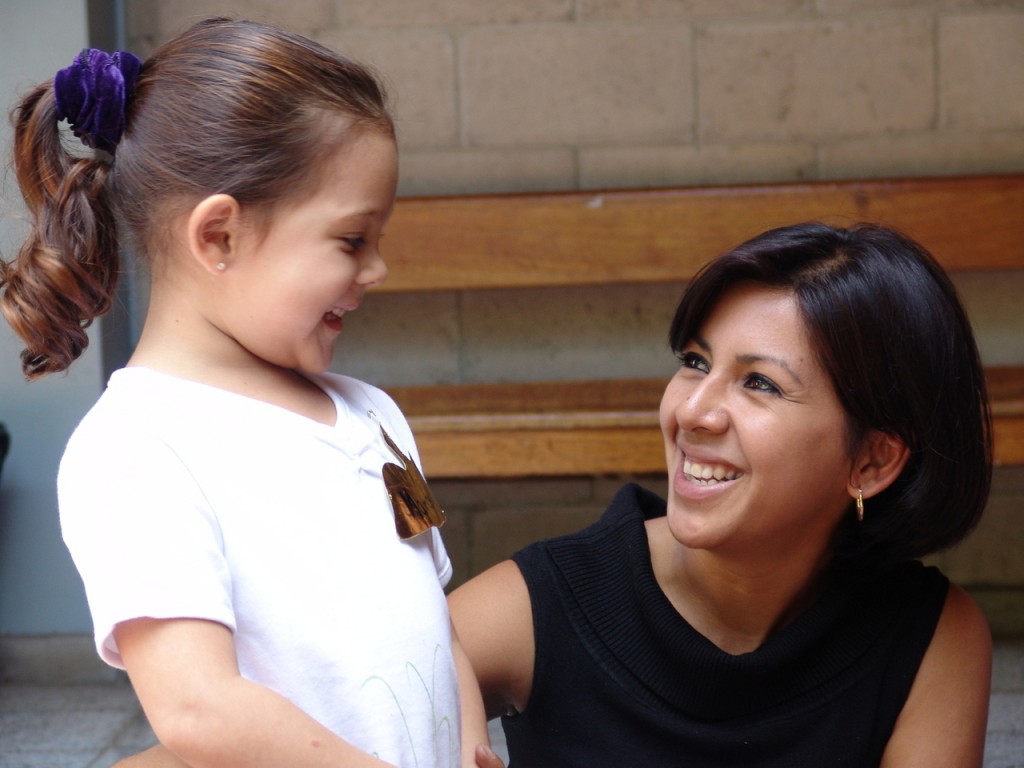
Parental guidance

Praise builds happy children.

Praise needs to be given freely and often as it demonstrates that you appreciate their efforts and acknowledge their achievements. Praise from others strengthens their feeling of self worth and develops their ability to self-praise, as well as enhancing their image of self.

Overcoming challenges builds self esteem

Self esteem comes from children recognising that real effort is required before they can achieve their goals. When a parent, teacher or coach praises them, they realize their efforts are appreciated and acknowledged.

Positive reinforcement with positive affirmative statements gives a child a confidence boost.
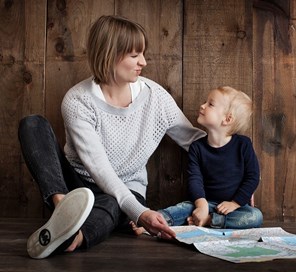
A child’s self worth is greatly enhanced when children learn new skills and overcome challenges. Their self esteem is given a huge boost and their self confidence takes a giant leap. Supportive parents and teachers enthusiastically praise children for their achievements using affirmative phrases similar to those below…

Praise children enthusiastically using affirmations phrases such as:

  • “well done, what an achievement you’ve made!”
  • “you must be very pleased with yourself because I certainly am!”
  • “that was a great effort you put in there, well done!”

3          RESILIENCE

Resilience is the key strengthening tool a child needs when they take a blow to their own self confidence or self worth.

Teach Resilience

All children are capable of amazing things; however, many children face different challenges that weaken their self confidence and from time to time they need a confidence boost.

When children are faced with adversity, difficult decisions or dilemmas in their lives, it places a huge stress on their self esteem and can create a perception of low self self worth.

Children have different levels of resilience. They may be more emotional, angry, have feelings of defeat or perhaps behave in an introspective and quiet manner. Difficult emotional situations and challenges will always present themselves and may affect their self esteem. All children need to learn the skill of negotiating them.

Resilience reinforces self worth

Resilience is the key to gaining strength to confront inner conflicts and troublesome situations. Resilience gives children coping skills for bouncing back and getting on top of concerns that are likely to affect their self esteem, self respect or self worth.

Resilience is a major coping skill that not only improves self esteem but allows children to develop a stronger image of self confidence.

Resilience builds a stronger capacity to cope when faced with bewildering situations where their self esteem is greatly affected. It helps them bounce back more quickly after a blow to their self confidence.


4          BUILD POSITIVE RELATIONSHIPS

Children need supportive positive relationships with caring parents or other support groups that can guide and help them navigate stressful and challenging situations. Positive relationships that are trusting, honest and have the child’s best interest at heart are paramount in building strong foundations and resilience.

Building strong relationships develops self respect.

Good strong social connections with friends, family, friends, teachers, and trusted people builds good strong reliable relationships with others. Positive relationships build a stronger, more caring spirit of cooperation… looking out for others and being aware of opportunities where they can build each other up, if self esteem levels are waning.

Positive relationships often last a lifetime.

Children’s self esteem increases when they recognize the importance of participation and putting effort into trying a new skill. But they need to put in the effort. Low self esteem is strengthened when children recognise that effort is required to achieve goals.

5          DEVELOP PROBLEM SOLVING SKILLS

Problem solving develops self confidence

Teach Problem Solving Skills

If a child is not given the encouragement, praise, resilience and support and left totally to their own devices, low self esteem may continue long into the future.

A low self esteem can lead to many future difficulties and if left unchecked could lead to declining self respect.

Build a positive mindset

Build their problem solving skills. Teaching problem solving skills builds self esteem.

Children need to be equipped with the ability to look at a problem, and using their thought processes, try different scenarios to ultimately solve the problem. Concentrating on problem solving skills develops a child’s cognitive ability to work out different ways of overcoming difficult situations creatively.

Problem solving activities to improve self esteem and self confidence…

Strengthening a child’s self confidence can be achieved by actively being involved with many normal activities around the home. Being involved and responsible for different chores and general activities without a monetary reward builds more responsible kids. Encouragement, praise, and lots of thanks for accomplishments builds strong character, self esteem and confident, happy kids.

When children overcome new circumstances, their self worth gets a huge boost and they often beam with pride. Children also need to learn that overcoming difficulties builds knowledge and the ability to grow and strengthen their self confidence. When others praise them for achievements, they quickly take pride in themselves for efforts well done. Self praise is also a very important component in a child’s development.

Teach children to challenge themselves

Besides problem solving, children need to develop the skill of challenging themselves to finding solutions. Parents need to encourage children to try new things. This strengthens their self esteem while it builds self confidence.

In learning the skill of challenging themselves, it helps them overcome the more difficult situations. When they learn the art of challenging themselves, they can go on to influence and praise others for their efforts, again building up their own self esteem.

When children overcome dilemmas on their own, it boosts self esteem and helps them see that obstacles can be overcome. This creates confident kids as they learn new problem solving skills.
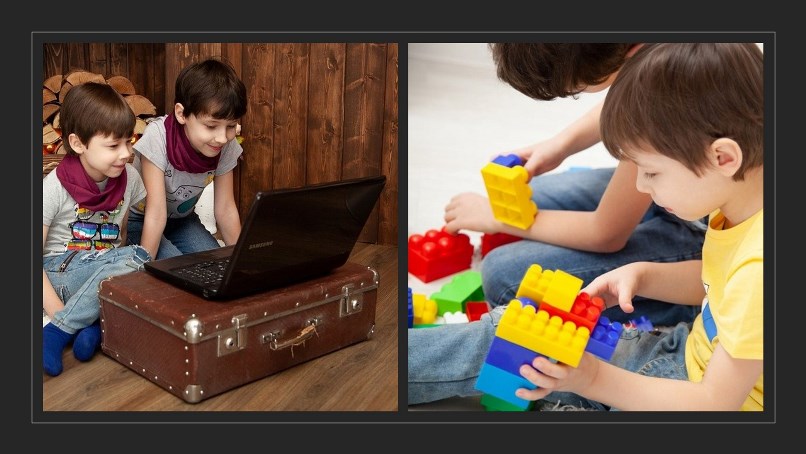
Confidence building activities for kids and teens…

When you spend time with your children, they are more likely to seek out your advice… when they know their opinion is valued and respected.

These can be situations where you spend quality time with your children, whatever their age. It may be time where the TV is off, laptop is shut, and the phone is off. Quality time is spent building up your child’s self esteem by listening to them, asking questions on how they feel or for their point of view on a topic. When their opinion is sought, children feel valued, and their self worth gets a boost.

ACTIVITIES TO DEVELOP A CHILD’S SELF CONFIDENCE.

  • Teaching your children to cook
  • Setting up a vegetable garden and being responsible for attending to it
  • Feeding the chickens and collecting the eggs
  • Washing the car… every week
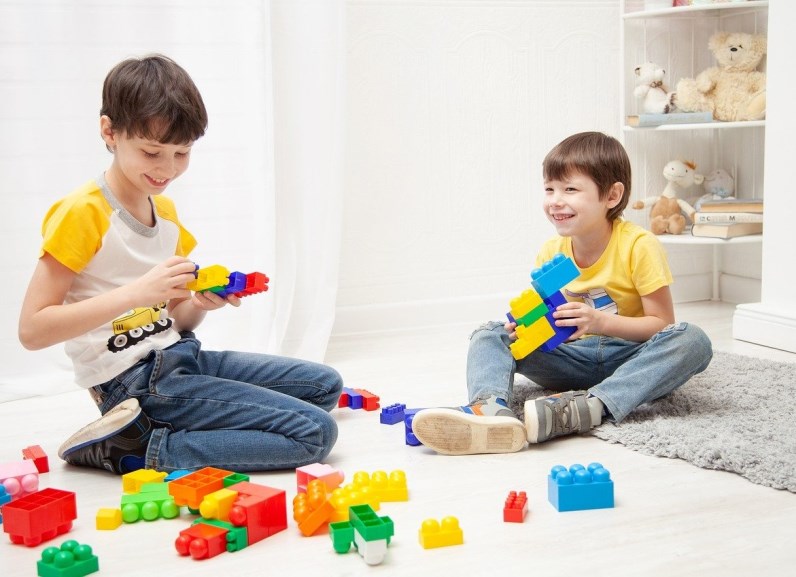
  • Playing with jigsaws, puzzles, building things and creative play
  • Regular fun activity nights playing memory games, cards (eg crazy whist)
  • Puzzles, memory games, jigsaw puzzles, building things, creative play,
  • Asking questions… lots of visual games…
    • “How do you think we can glue the aeroplane together?”
    • “We don’t have any green color so what 2 colours could we mix together to make green?”
  • Creative Play
    • Creative play is very important for developing a child’s self esteem, while building their self confidence.  Confident kids are more willing to express themselves by experimenting with modelling clay, creative painting, planting their own vegetable garden and attempting more difficult projects.

6          DEVELOP THEIR NATURAL ABILITIES

Doing what they are good at not only develops a child’s self esteem but builds greater self confidence. Often children are quite talented at a particular sport or activity and, when given the opportunity to participate, their self esteem level soars.

Children need to be given various opportunities to find out what exactly their particular interests are. If they are not given the opportunities to try different creative activities, they may never discover a hidden talent that they may excel in.

Participation in the arts and sport programs opens up the door to many self esteem building activities, giving them a great deal of self worth and self respect. Meeting other children with similar interests not only builds strong friendships but greatly boosts self esteem for everyone.

Open up their creative interests, allow new possibilities for them to try different activities to further develop their self confidence. Team activities allow children to work out strategies and working cooperatively with others is a good self esteem building exercise… congratulating other players for their effort. This can develop close friendships along with their own self image.

WAYS TO BOOST A CHIILD’S SELF ESTEEM

Self confidence building activities

  • They may enjoy playing cricket… join the local cricket club
  • Swimming, horse riding, football… there are so many more.
  • If children love dancing, enrol them in dancing classes
  • It might be playing the piano… give them piano lessons.
  • Chess competitions, theatre clubs, creative cooking classes

Children just need opportunities to build their self worth and self confidence


7          SETTING THE EXAMPLE

Model and teach your children positive affirmations.

Your words and actions should always be demonstrated and reflect your own values, using positive self-esteem-building conversations. They should be praising and encouraging, never damaging in anyway, as children are always watching and listening.

When children see their parents or teachers modelling affirmative statements e.g., “I will always have a go”… “If I don’t succeed, I will try again”, these statements reflect a positive image of self worth.

By demonstrating positive modelling (behaviours and statements) you are inadvertently using self esteem building tools.

SELF ESTEEM BUILDING AFFIRMATIONS…

  • “I can do difficult things”
  • “I will always try and have a go”
  • “Mistakes help me learn”
  • “I can do this”
  • “I will learn to ask for help”
  • “I will do things that are hard”
  • “I am a problem solver”
  • “I will learn from my mistakes”
  • “I will help others”
  • “I will learn from my mistakes”
  • “I will always try to do my best”

These simple phrases help children or teens with feelings of anxiety when faced with anxious moments that affect their self esteem.

In Summary…

Self confidence is a vital tool for building a child’s self esteem. It plays an important role in their future happiness, health and wellbeing.

When a child develops self esteem and self confidence, it equips them with the skills they need to deal with their own behaviour, how they conduct themselves when they are confronted with life’s many negative challenges or frustrations.

Self esteem gives them the self confidence to pursue their own dreams and aspirations as they continue to believe more in themselves and develop into happier children.

Read more about Raising Happy Children


Teaching Your Children Cooking

children cooking

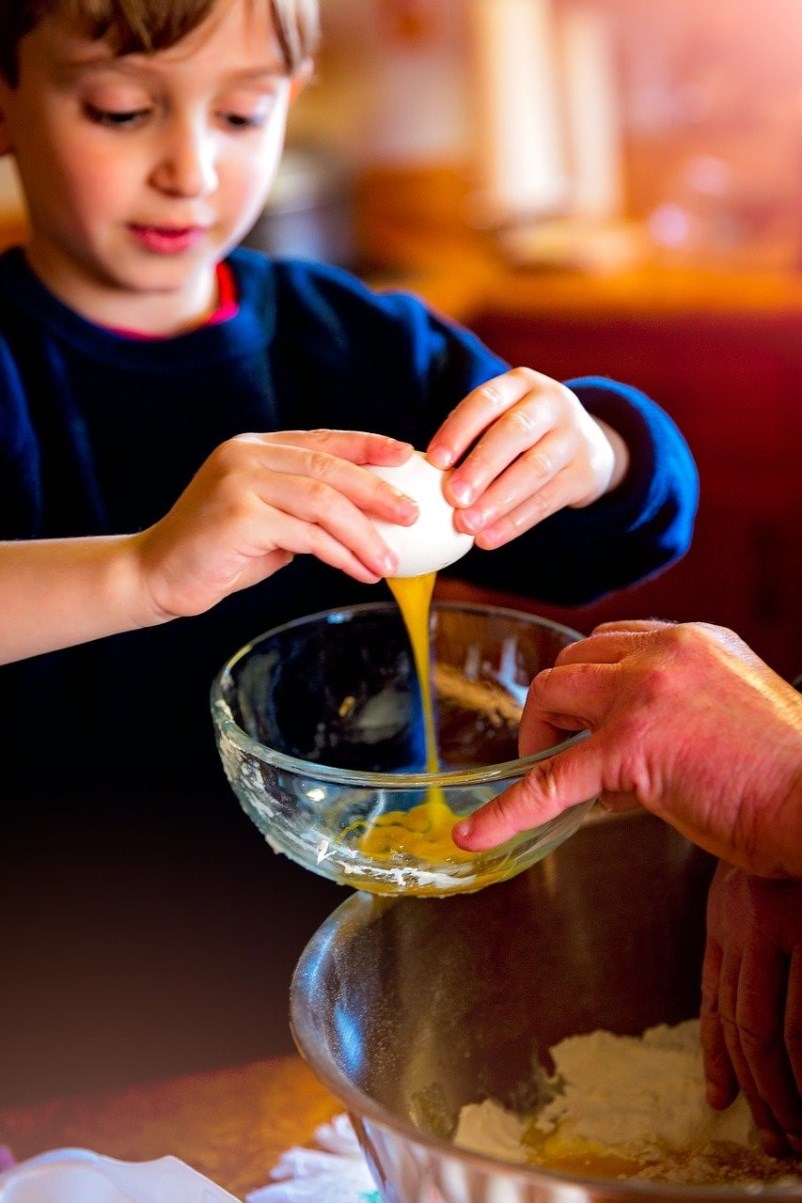
Kids love to cook, and teaching them to cook from an early age introduces them to a variety of different foods so they develop a greater appreciation of taste, feel, size, and smell when preparing fresh food and when enjoying the results of their efforts.  Kids are more likely to eat what they have cooked themselves and are more willing to try a wider variety of foods.

children cooking

The best way to teach kids how to cook and encourage their love of good food is to let them help in the kitchen from an early age.  Children will have a better understanding of food and how it’s prepared.  You never know, by getting junior cooking early, your child may become a kid chef in the family.  Also, allowing kids in the kitchen expands their language skills around words such as simmer, sauté and blend.  If you are teaching a child baking, they will need to learn safety and the very important aspect of hygiene.  

Teaching children cooking empowers them with better knowledge of where their food comes from, which foods come fresh and why some foods need to be stored in a fridge.  Getting children cooking helps them understand which foods come in tins, bottles, in a spice jar and what foods are bought fresh.

A simple meal that’s an easy dinner for kids to cook may become a regular routine, eating food kids can make.  And keeping junior cooking will develop his skills for the long term. One recipe that would characterize easy cooking for kids, as well as being snacks kids can make, would be kids cookie biscuits that could well become a favorite.

KIDS CAN COOK

Some parents don’t allow their kids in the kitchen, however there are several ways to teach your child baking.  It’s even possible to teach baking for toddlers to learn to make simple meals.  If you play at cooking with toddlers, you never know, your child may quickly develop into a kid chef.  Cooking with pre-schoolers can be fun and they are sure to learn some basics as they watch you in the kitchen.

You can allow older kids in the kitchen to participate when you are cooking, while making an easy dinner for kids to eat (or a quick healthy kids dinner).  This shows them how delicious, healthy, quick and easy kids’ meals can be made.

As an educational program, many schools have kitchen gardens, so kids can learn about cooking using the herbs and spices fresh from the school garden.  If the school also has a cooking program, teachers can explain the benefits of certain foods as the children are involved in choosing the plants to use in cooking.

Vegetable Garden

Cooking encourages children to eat healthy meals as well as experiment while being creative.

Cooking Class

SIMPLE TIPS ON TEACHING CHILDREN COOKING

EASY COOKING FOR KIDS

You may wonder what would be an easy dinner for kids to learn to cook or what would be the best cookbook for kids to use to learn how to cook.   It may not even be necessary to use a cookbook for kids to follow, as they may be able to learn to follow simple recipes that you may already know.  Kids love to cook. It’s simply a matter of finding food kids can make.

How are you going to get junior cooking?  Why not start with a simple breakfast kids can make.  Your kids cook real food, even if they are simply boiling an egg.  

Further down the track, you may let your kids cook dinner.  But before that, there are many simple lunches kids can make.  There are even some recipes kids can make on their own.  If you decide to teach your children cooking, they will have a skill for life.

When kids cook real food in the kitchen, they will no doubt like their food better, but will also understand where food comes from and how its prepared.  Getting children cooking may even help them to develop their own recipes kids can make on their own.  Simple things kids can cook are kids’ cookie recipes. (Why not teach your kids cookie baking).

Kids love to cook but first they need guidance and proper safety instructions, before starting.

They will need to…

  • Wash hands properly before preparing the kitchen space ready for cooking.
  • Find the stool for standing on, putting on the all-important apron.
  • Tie their hair back.
  • Find the correct mixing bowl, tray for oven baking, oven safety gloves, spoon for mixing, kids cookie cutter… all before starting.  
  • Start collecting all the basic ingredients for things kids can cook.  
  • Measure the correct cup quantities of flour, butter, eggs, sugar, sultanas and cornflakes.

Children cooking need to have clean hands, a clean bench top for preparing easy food kids can make and always clean up hands and the kitchen when child baking is finished.

With the increased interest (these days) in eating healthy foods, there are more kids in the kitchen cooking than in previous generations.  Kids are coming up with their very own family recipes while taking on more responsibilities in the kitchen. Some of these kids can be encouraged to develop their own children’s cookbooks with many recipes that are easy cooking for kids to tackle, plus an easy dinner for kids to follow and understand.

Many children find that cooking develops more responsibility which in turn DEVELOPS THEIR SELF-ESTEEM.  With more kids in the kitchen, new skills are being learnt, new responsibilities are being taken on, as they are also developing their own creative new skills such as cutting, mixing, weighing and cooking different foods.

All kids love to cook, they just need guidance and proper safety instructions before starting.

SAFETY IS FIRST WITH KIDS IN THE KITCHEN

Safety in the kitchen is paramount when anyone is cooking… especially when using sharp knives, hot water and steam from cooking vegetables, ovens and other equipment. It is always recommended that every kitchen have a Fire Safety Blanket.

So, children cooking always need supervision. Kids need guidelines and rules about which pots, pans and utensils they can use.

PICTURE

7 SIMPLE STEPS FOR KIDS IN THE KITCHEN

Food safety guidelines for children cooking

1 Wash hands thoroughly with soap and water

2 Tie hair back, perhaps wear a cap, apron and gloves

3 Food surface cleanliness, for food preparation

4 Teach knife safety and utensils and which ones to use

5 Separation of raw meat poultry, seafood with fresh food

7 Teach cooking equipment, oven and utensil safety

Tip: Remind children cooking to wait until food is cooked before sampling.

With children cooking, they will soon develop a love of food and better appreciate the effort involved in the preparation of a delicious meal.  And remember, make it fun.  Take lots of pictures and create memories for you and your children to cherish!

So what are things that kids can cook?  Quick and healthy kids’ dinner recipes are a great place to start.

Here are some ideas for Easy Meals Kids Can Make

If you would like to learn from Jamie Oliver cooking with kids, click here…

Read more about Fun Activities for Kids

Image of fun activity

Teaching your Child to Read

Reading to your child

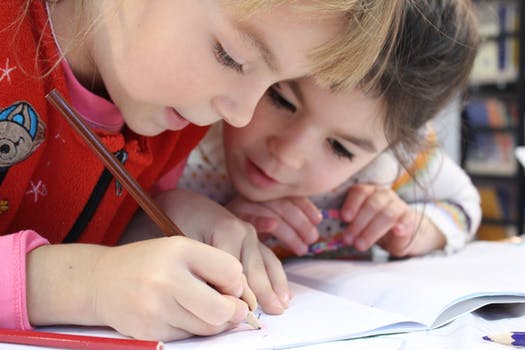
Sometimes the best thing you can do for your child’s early literacy development is simply to let them play. Turn off the TV and anything battery operated then let your child pick up their toys, build blocks or duplos, or manipulate puzzles or game pieces. Not only are you giving your child the gift of childhood, something we so often fail to do in today’s hectic, achievement-oriented world, but you are actually helping them build skills that are key to learning to read and write.

Hand-eye coordination is a necessary skill for written language and the best way to help your child develop this skill is to let them play with toys and activities that involve looking at, using, and discriminating a number of elements. Puzzles are obviously a great activity for this but so are manipulative toys such as blocks and Lego.

My son just spent over an hour this evening playing dominoes with his father — OK they weren’t so much playing as setting up complex patterns and then knocking them down — but I didn’t tell them they were engaged in a pre-literacy activity. They were just having fun together.

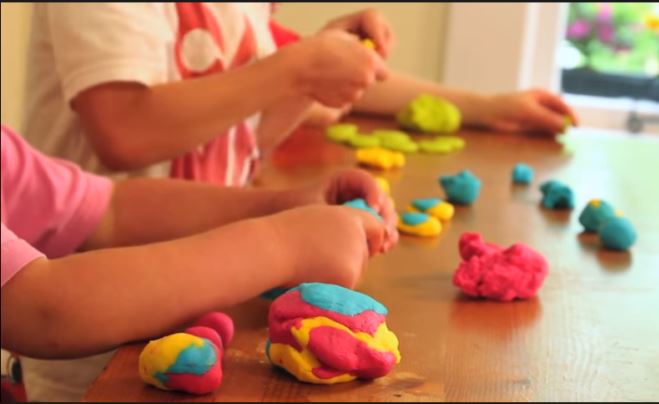
Studies have shown that spending time on hand-eye coordination activities improves children’s ability to learn to read and lessens the difficulty they face during the process. In fact engaging in a variety of craft activities, which most kids love, can be very beneficial so add play dough, stickers, and glue sticks to your list of educational supplies.

Research shows that early practice of hand-eye coordination activities reduces the risk for reading difficulties.

Activities to Encourage

Reading activities

Puzzles help develop hand-eye coordination because learning to control hands and fingers according to information received from sight is a coordination skill that aids children in early attempts at reading and writing.  Determining which piece goes where, working to fit pieces into place by making adjustments, and seeing a sequence develop in an organized pattern can be a great learning experience as well as very satisfying for children.

Puzzles, matching games, and the like are also important to help children learn visual discrimination. Visual discrimination is the ability of the brain to quickly tell the difference among visually similar letters, like “p,” “b,” and “q” or between words such as “was” and “saw.” Students with difficulty making these distinctions often struggle with learning to read, write, and spell. Playing games, engaging in activities, or with toys that help children discriminate among similar objects can be fun for the child and help them master an important preliteracy skill. My son loves to help his father sort change before rolling it to be deposited at the bank. Sure, we could use an electronic sorter but our son loves to engage in the activity and it is a valuable learning experience for him.

Visual discrimination can often be learned with your child’s existing toys. Matchbox cars, dolls, and action figures all offer the opportunity for your child to learn visual discrimination.

Encourage children to work their wrist and finger muscles as well as work on their coordination and small-motor skills to help prepare them for the handwriting practice in their future. Activities to help with these goals include legos and other building sets, playdough, puzzles, pegboards, beads and other table toys. These fun, natural activities help children improve their cognitive and fine motor skills without frustration or boredom.

My son engages in many activities every day that encourage hand-eye coordination and visual discrimination. I don’t suggest the activities to him.  I make the toys and manipulatives available to him and he chooses them on his own. The activities vary he may go an entire week building and rebuilding his wooden train set every day and then the next week his Magnetix set dominates his play time.  Some days he plays with both together and pulls in his Duplos and wooden blocks for added fun.  It doesn’t matter to me which activity he chooses because I know he is having fun, challenging his imagination and learning.

Discover more ideas for hand-eye activities for children

Stimulating Activities for Children

Handwork activities for kids

When children have lots of opportunities to participate in a wide variety of stimulating activities, it stimulates and develops their confidence and willingness to try new things.  

When actively engaged with art and crafts, cooking or textile activities, they are stimulating their senses.  They are experiencing texture, touch, smell, soft, hard, wet or delicate things that stimulate their minds to problem solving, awakening and exploring their creative skills and abilities and desires

Hand-Eye Co-ordination

Playdough Activities

Hand eye coordination develops when they experiment with practising drawing, painting and using scissors and gluing.  Parents need to read stories to their children, which further stimulates their imagination as they listen to the different adventures of the book characters. Even though they cannot read yet, if helps to develop their language skills and how different words express feelings, thoughts and action.

Children are learning more about themselves, developing words and phrases, expressing themselves through feelings and their developing thought processes. They learn language through facial expression, saying new words they hear, trying to put them in a sentence and mimicking others around them.

Because children are watching and listening to those around them, parents and teachers shouldn’t use “baby talk” when expressing themselves, but rather express themselves as normal, explaining why, how etc and using normal adult speech. This helps children understand and develop their use of language, how words are put together and expands their vocabulary.

Parents need to provide a safe learning, stimulating environment where children can experiment, imagine and play happily.  

When parents or teachers facilitate a stimulating environment for young children, the children are given a distinct advantage when it comes to language skills, confidence, self-esteem levels and creative, imaginative development.

Read more about Activities for Children

Encouraging Children to Exercise and be Active.

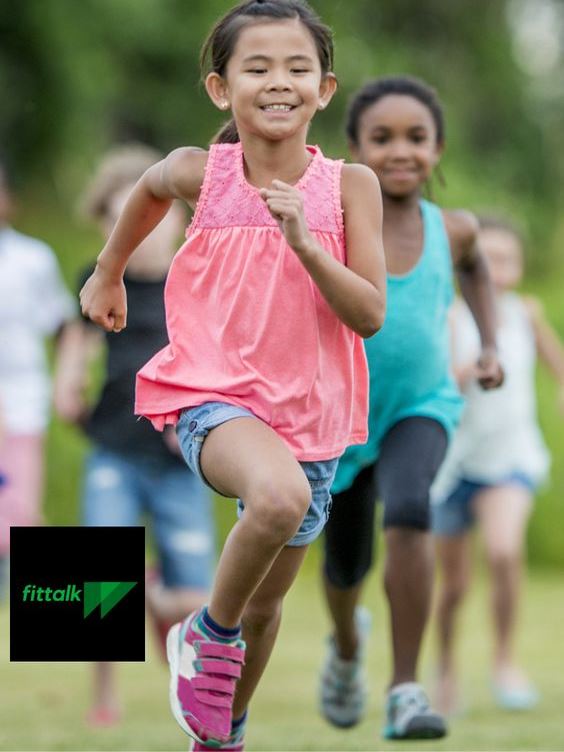
Children at a playground

It’s important for parents to allow their children to explore new physical challenges as this strengthens bones and muscles and aids their emotional learning.

Obesity is rising in children, due to the lack of exercise along with poor diet.  Obesity will increase dramatically if children don’t engage in at least the moderate recommended exercise rate of 60 minutes per day. This can only be achieved if parents and teachers have organized fun exercise activities for children to get involved in during school hours and after school and on weekends. You live in an age where it is so much easier to sit on the couch, watch tv, look at your iPads while eating highly processed food, all washed down with the many fad sugary drinks that are so easily available.

Exercise for children

Physical education programs run by educational fitness trainers, along with parents and teachers need to educate and show direction, encouraging more children to get involved with low to medium activities.  Sporting programs need to be part of the school curriculum from an early age, as this gets children more active.

Weekend sporting activities are another way to get children out and about, exercising on a more regular basis. Sporting activities help children learn to participate fairly with others, using teamwork skills, supporting each other and enjoying playing, winning or losing but ultimately exercising and being active.  Playing sport with others of their own age is good for developing new friendships and being more socially engaged.  Playing against other sporting groups helps children to develop new skills, new techniques, tactics and strategies when participating against other sporting groups.

Read more Helpful Parenting Tips