Why Kids Need To Exercise

Children at a playground

Why do kids need to exercise?

Regular exercise aids children’s overall psychological and physical well-being.  Physical activity develops children’s strength and gives them more confidence and self-assurance, giving them a good sense of self-worth and increased self-esteem.  This in turn will reduce symptoms of anxiety and depression.

What are the Benefits of Physical Activity?

Exercise increases blood flow to the brain, muscles, lungs etc giving children improved health advantages.  But the benefits of physical activity extend far beyond the mere strengthening of muscles and improved body tone.  Exercise strengthens and builds concentration, enhancing mood levels, resulting in better cognitive abilities, enabling children to be more alert and focused.  This results in higher levels of clear thinking and problem-solving skills, giving children an increased advantage over others at school.

Exercise for Kids

Children need to exercise

It’s essential for young children to try many and varied activities such as skipping, jumping, stretching, running. bike riding, skating, cricket, ball catching games, basketball and so many more, as all these help balance, hand control and develop hand-eye coordination skills.

Children who exercise, along with a healthy eating plan on a regular basis, are better able to control weight issues, decipher difficult problems and develop their problem solving skills …..this gives them a distinct increased advantage over other children.

The Health Benefits of Exercise

Physical activity is important for a young person’s developing brain, lungs and muscles, helping children to be less likely to suffer from mood swings, anxiety or body image difficulties.  Fun physical activities, such as aerobics, pilates, jogging and stretching, along with many other things, encourage healthy, happier children.

Encourage your Children

When children have a supportive environment, where their teachers and parents are actively participating and being involved in watching, helping, transporting them to activities, a child’s health and well-being is greatly strengthened.

When children are encouraged to be actively involved in sports and exercise, they are more likely to take care, not only of their physical well-being, but will take a greater interest in their overall health and nutrition.

Read more Helpful Parenting Tips

Parenting Styles

Parenting Styles

Parenting Experts have concluded that there are at least three parenting styles. 

Effective parenting styles can vary according to culture.  

The three main parenting styles are authoritarian parenting, authoritative parenting and the permissive parenting style.  These parenting styles are all very different in their parenting approach.

Authoritative Parenting has been found to be the most effective style of parenting in western culture.  Authoritative parenting is consistent and enforces boundaries.

Authoritative parenting is characterized by the parent giving reasonable demands, setting consistent limits, expressing warmth and affection and listening to the child’s point of view.  American children raised by authoritative parents tend to have high self-esteem and social skills.  Whilst the authoritative parenting style is the style that is most encouraged in modern American society, this is not necessarily the case in other cultures.

Parenting Styles

In contrast, Authoritarian Parenting which is characterized by parents placing high value on conformity and obedience, tightly monitoring their children, and expressing less warmth, is seen as more beneficial in other cultures. For instance, in a 2010 study by Russell et al, first-generation Chinese American children raised by authoritarian parents did just as well in school as their peers who were raised by authoritative parents.

Many parents today adopt a Permissive Parenting style which has few guidelines and rules. Permissive parenting, however, can lead to undisciplined children as they develop.

No new parents would want to regard themselves as bad parents.  And no parent wants to be accused of excessively permissive parenting but, on the other hand, few parents would want to be regarded as “the world’s strictest parents”.

In raising happy children, parents need to be vigilant, active parents but not “helicopter parents”, hovering and rushing to meet their needs at every turn.  Parents of happy children are active parents who foster care, nurture and warmth, whilst at the same time demonstrating and setting examples to their children.  

Positive parenting is a child-centered approach that ultimately leads to Raising Happy Children.

Why Temper Tantrums Happen

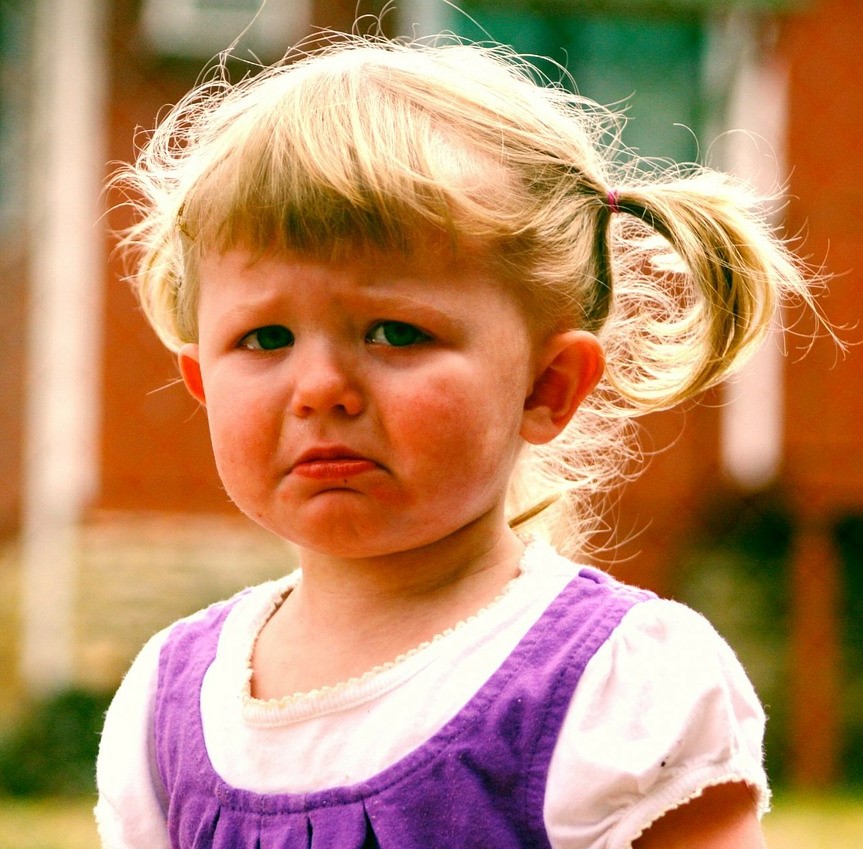
Child crying

As parents, we have a hugely influential role to play in child development. As far as babies and toddlers are concerned, it’s very important that we respond sensitively to such childhood behaviour as toddler tantrums.  So, what do you do or how do you respond when your child throws a tantrum?

Emotions in Control

One of the best parenting advice would be to understand what is happening. Temper tantrums in very small children are common. This is because they are still building their neural networks that will allow them to control their emotion as they grow and develop. When a temper tantrum occurs, all rationality is shut down and the nervous system is overwhelmed. Thoughts are not clear; their little hearts are pounding, and their stress hormone levels rise.  Of course, some infants are more susceptible to negative emotions than others.

Put Yourself in Their Shoes

Similar behavioural disorders can also occur in adults. Imagine, for example, that you have unexpectedly lost your job. How would you feel?  It’s quite likely that you will be so shocked and devastated that you can hardly focus or think about anything else, let alone someone else telling you to do something.   You would hardly even hear or comprehend the instruction. Later in the day, however, your rational brain will take over from your emotions and you might start thinking about updating your resume and realise that it’s really not the end of the world. You may even come to regard it as an opportunity for a new direction in your life.  But imagine what it is like for a child living every day without the developed rational controls that adults possess.

Emotions are important because they provide us with valuable information to help us to cope with our environment. They influence our perception and help us to make decisions. They also help us to relate to one another. Emotions are essential in this regard and emotions are also important in child development.

Toddler Tantrums are Normal

Temper tantrums

Tantrums are a normal part of early child development. A toddler may appear to be behaving badly but, in fact, is simply experiencing big feelings and strong emotions.  Even babies experience sadness, frustration, anger, joy and other emotions. As infants develop, toddler behaviour will start to reflect such emotions as guilt and embarrassment.  This simply means that they are becoming more self-aware and socially conscious.  Positive parental guidance on our part will help them to make sense of their emotional experiences. This in turn will help them to develop better emotional regulation skills.

This skill development process may take years to develop.